Why Restaurant Technology is Shifting to Open Source
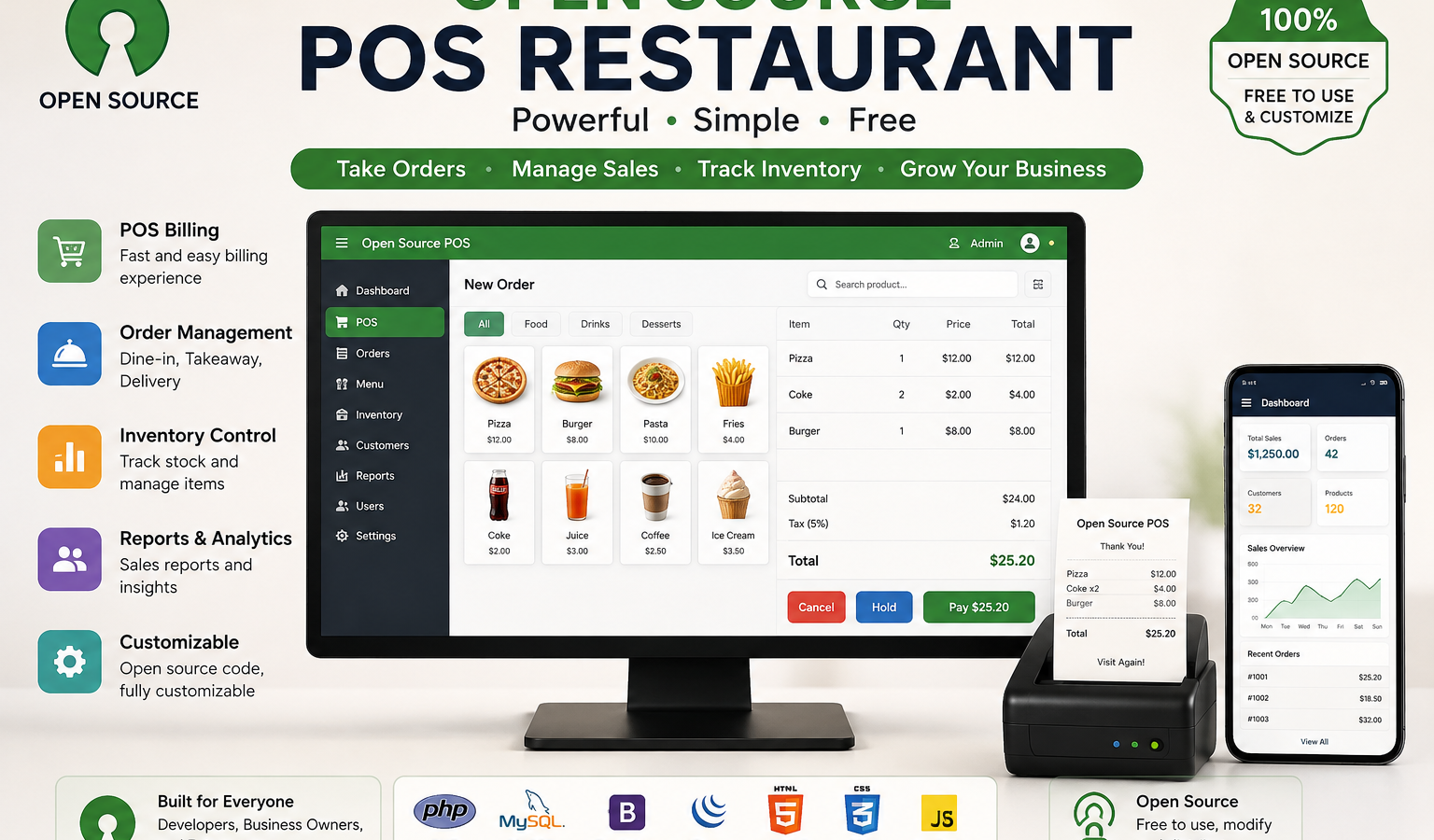
The culinary world is fiercely competitive. To survive and thrive, modern eateries must optimize every aspect of their operations, from front-of-house guest management to back-of-house kitchen workflows. At the heart of this operational dance sits the Point of Sale (POS) system. While proprietary, subscription-based POS platforms have dominated the market for years, a growing number of restaurateurs are turning to an open source pos restaurant setup. This shift is fueled by a desire for greater control, customization, and cost-efficiency.
Open-source software offers a refreshing alternative to rigid, corporate payment systems. By utilizing open codebases, restaurant owners are no longer locked into restrictive contracts, mandatory hardware bundles, or rising monthly fees. Instead, they gain the freedom to adapt their technology to fit their unique business model rather than forcing their business model to fit the software.
What is an Open Source POS Restaurant System?
In simple terms, an open-source POS is a point-of-sale platform whose source code is publicly accessible. This means anyone can inspect, modify, and enhance the software to suit their specific requirements. Unlike proprietary systems owned by single software companies, open-source programs are often supported by global communities of developers who continuously update the software, patch security vulnerabilities, and build new integrations.
For a restaurant, this translates to limitless potential. Whether you run a bustling coffee shop, a multi-location pizzeria, or a fine-dining establishment, an open-source system allows you to build custom menu layouts, integrate specialized loyalty programs, and connect unique kitchen display systems without waiting for a corporate provider to approve your feature requests.
Top Benefits of Going Open Source in the Food & Beverage Industry
1. Complete Ownership of Your Data
Proprietary POS systems often lock your transactional and customer data inside their walled gardens. Exporting this information can be difficult, and analyzing it often requires paying for premium reporting tiers. With an open-source platform, you own your database entirely. This allows for deep business intelligence integration, custom marketing campaigns, and real-time sales analysis on your own terms.
2. Freedom from Vendor Lock-In
Many restaurant owners have experienced the frustration of having their credit card processing rates hiked unexpectedly, only to realize they cannot switch processors because their proprietary POS hardware is locked. Open-source solutions give you the flexibility to choose your own payment gateway, hardware peripherals, and hosting providers. If you are unhappy with a service provider, you can swap them out without rewriting your entire point-of-sale infrastructure.
3. Unmatched Customization
Every restaurant operates differently. A quick-service drive-thru requires a vastly different user interface than a slow-paced wine bar. Open source allows developers to strip away unnecessary features that clutter the screen and add highly specific workflows, such as advanced table splitting, custom ingredient tracking, or localized tax calculations.
The Core Challenges of Going DIY with Open Source
While the benefits are substantial, managing an open-source system is not without its hurdles. It is crucial to understand these challenges before making the switch:
- Technical Expertise Required: Unlike plug-and-play proprietary systems, setting up and configuring an open-source codebase requires technical know-how. You will need to manage server hosting, database backups, and security updates yourself or hire a developer to do it for you.
- Security Responsibilities: Because you control the system, ensuring PCI compliance for credit card processing falls squarely on your shoulders. You must ensure your network is secure and that payment processing is handled through encrypted, compliant gateways.
- Lack of Dedicated Corporate Support: If your system crashes during a busy Friday night rush, you cannot call a corporate helpline. You must rely on community forums, internal IT staff, or a hired agency to troubleshoot the issue quickly.
Key Features Every Restaurant POS Must Have
Regardless of whether you choose an open-source framework or a pre-configured solution, your point of sale must possess several non-negotiable features to handle the daily chaos of a busy kitchen:
- Multi-Device Syncing: Waitstaff should be able to take orders tableside via tablets, sending tickets directly to the kitchen display screen instantly.
- Robust Offline Mode: If your internet connection drops, your POS should continue to process orders and queue payments locally, syncing back to the cloud once connectivity is restored.
- Inventory Tracking: Real-time ingredient tracking helps reduce waste and alerts staff when popular menu items are close to selling out.
Looking for a Painless, High-Performance POS Solution?
While compiling and hosting an open-source database offers incredible freedom, many busy restaurant owners simply do not have the time to manage the technical backend. If you want the ultimate flexibility of a modern system without the headache of custom coding, we have a game-changing solution for you.
At NextGen Web Studio, we highly recommend the Swift POS. For an incredibly affordable price of 1800, Swift POS offers comprehensive multi-device support, ensuring your waitstaff, bar, and kitchen are always perfectly in sync. Best of all, there are no hidden add-on costs or premium tiers—sare features (all features) are unlocked and included right out of the box. It gives you the power and flexibility of an open-system philosophy combined with the reliability and ease of a fully supported commercial product.
Conclusion: Choosing the Best Path for Your Restaurant
Adopting an open source pos restaurant system is a fantastic strategy for tech-savvy business owners who prioritize customization, data ownership, and long-term cost savings. However, if you prefer to focus on crafting great meals rather than managing server databases, opting for a highly functional, feature-rich platform like Swift POS provides the perfect middle ground. Evaluate your technical resources, define your operational goals, and choose the technology that empowers your team to deliver unforgettable dining experiences.